
Skunks and Handouts

Last week, I found out that I have a very fat, sleek, gorgeous skunk as my neighbor. This fact has delighted me to no end, but not more than the way I found out.
Cats were yowling and hissing near the asphalt alley behind my building. I was walking home, ignoring this cacophony (outdoor cats, those parasitic killers of millions of wild birds and mammals, suck), when in front of me, a creature wild and perfect and made for this area as it had been long ago sauntered out across the road.
I live on the edge of downtown, a place where wild creatures can but should not saunter so confidently across roads. Skunks have horrible eyesight, and this bold neighbor was no exception.1 I got to see this particular skunk’s shiny, dense black coat and the elegant, clean white stripes running down its back. As it moved across the street, I could tell it was fat, building up reserves for the cold winter when skunks, like many animals, go dormant and sleep for long periods of time (not true hibernators but still expending few calories). This skunk was probably benefitting from the many dumpsters in the area, although perhaps, based on the ruckus the cats were making, it was eating some of their food, lured by its excellent sense of smell.
The week before this, I’d seen a big, wide-eyed hare on the lawn at the Memorial Library. It was in the midst of turning white - the eats, paws, and haunches were already changing to cream, allowing the hares to blend in to a world that, in some ways, is long gone. Yet, last winter, a hare startled me one cold night on that same lawn as it blended in so perfectly with the snow that I hadn’t seen it. Cities are odd places to see such creatures, and although I know they do not pity themselves, it is impossible to not wonder how they’re all getting on. It doesn’t feel right to have skunks and hares and hawks and coyotes all co-existing very close to loud, overly bright streets lined with bars and restaurants, where vomit, vape smoke, cigarette smoke, perfume, and exhaust all create an unnatural miasma. I know they don’t think about it - I know that they are busy existing, eating, sleeping, mating, playing, surviving.
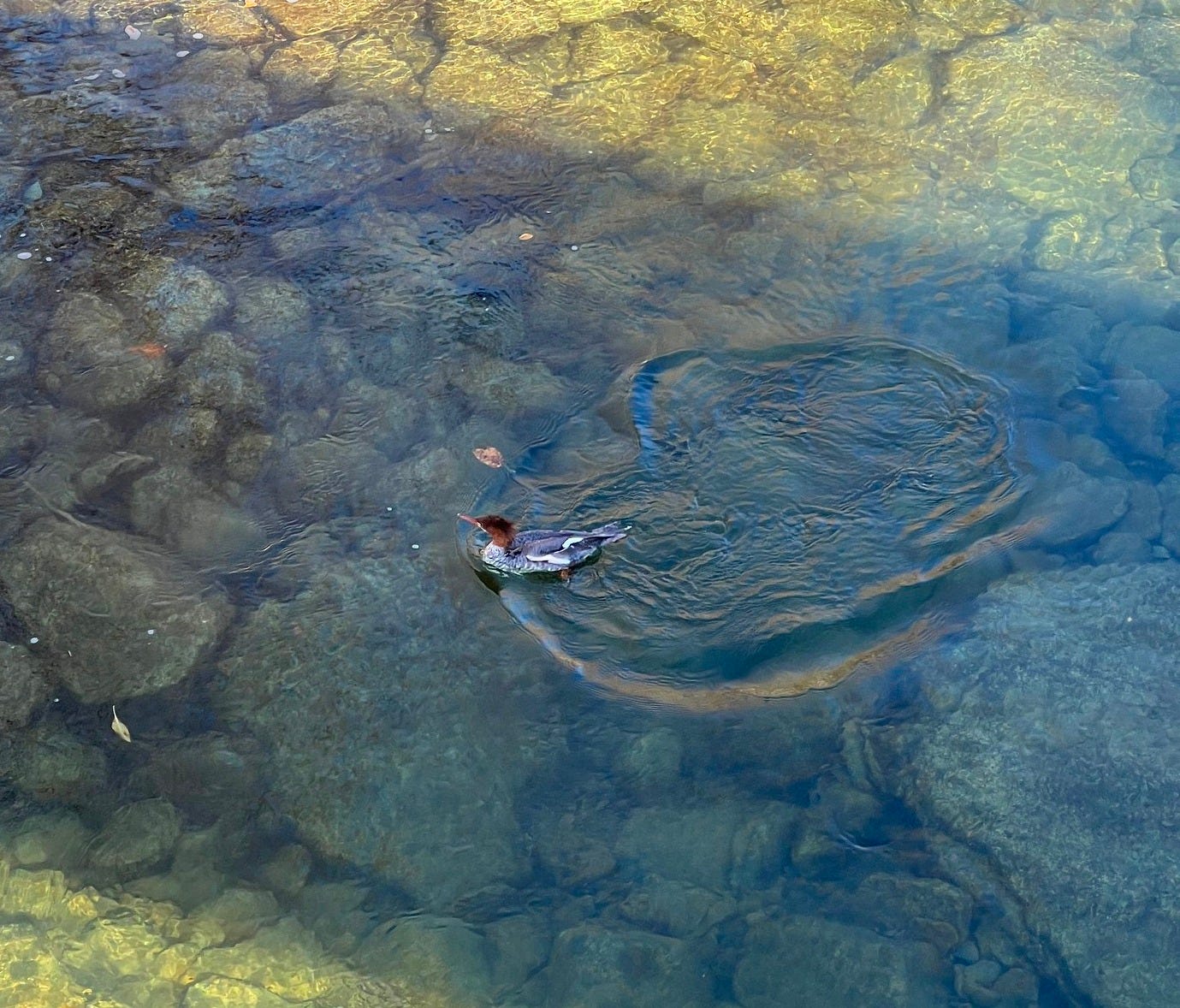
In two weeks, we will drive away from this place in a Uhaul, down south to Montana. We will be one step closer to Brazil, every item we treasure packed into the back of the truck. I’ll soon have more neighbors than I can count, of feathers and furs and pebbled reptile skins. Geckos will hide in the sink and skitter across the ceiling. Green parrots will gossip and shriek. Devilish, forked-tail black hummingbirds will bzzzzzzz heavily near the outdoor kitchen. At all hours, at least two or three dogs, all various shades of light brown, will be howling or barking. No more skunks. No more hares. No more fat Northern flickers. There is a white dove that lives in the park near my gym, and I love her dearly and will absolutely bid her a hopeful adieu; she was bobbing around on two particular, very different days united by their rottenness, and her energetic little movements and hardiness (she survived the long winter here, she has survived hawks and crows and humans) were lifelines on both days.
I write to you about naturalia because life feels very unnatural at the moment. Moving is hellish, as always, and it never ceases to make me feel untethered and dishevelled and slightly stupid. I am far behind on thank you cards from our wedding, there are a thousand and one things to pack, and sleep has been reneging on its side of the bargain. I’m also just angry in general, and feeling a bit hopeless. Last week, I was walking to the mall downtown to buy sheets, because it was the only place within walking distance that would have them. Our sheets finally ripped the day before, and they needed replacing immediately. A silly but necessary errand turned into something more, as living in a city often entails. Once in the mall, I hemmed and hawed because, if I didn’t want polyester sheets or shitty bamboo ones that make me feel like I’m on a slip-and-slide, they’d be over $130, and the good sheets, the ones that would last us for several years, were over $200. Fine. I bought the $130 sheets, internally smarting from such an unplanned-for expense, and headed home. Almost two weeks of groceries, a whole day’s wages, just to get sheets, my mind circled this thought, worried it into a smooth rock I kept turning over in my mind.
Downtown Calgary is where most of Calgary’s 3,000 homeless people live, and walking home I passed by many of them, most tucked far enough into the alleys that they didn’t have to interact with people if they didn’t want to.2 Homelessness inherently denies you privacy: you’re on full display and are a symbol, whether you want to be or not, for whatever people imagine you to be - vice, sin, lack of bootstraps, etc.3 On my way home, one woman walking next to me clearly didn’t have much, and she was pulling her sleeves up over her bare, red hands. These hands looked cold and almost swollen in a biting, hot way. I handed her my mittens, because we’re moving and I don’t need them and she had a clear need that could be remedied immediately. She looked way too grateful for such a small thing, and as we parted ways I started to cry, with the stupid expensive sheets still in my arms. I almost spit with rage as soon as I got to 17th Street and saw a luxury car that cost more than a condo. Poverty and homelessness are government policy choices, and that woman with cold hands and not many options is a direct result of us choosing to worship the Ferrari driver more than to acknowledge that we all deserve basics like housing and affordable food and, in countries like Canada and the US, can absolutely afford them. Our unhoused neighbors struggle to find permanent homes while playing sketchy games of shelter-roulette, while Alberta, using taxpayer money, covers the ass of oil and gas, to give just one example.
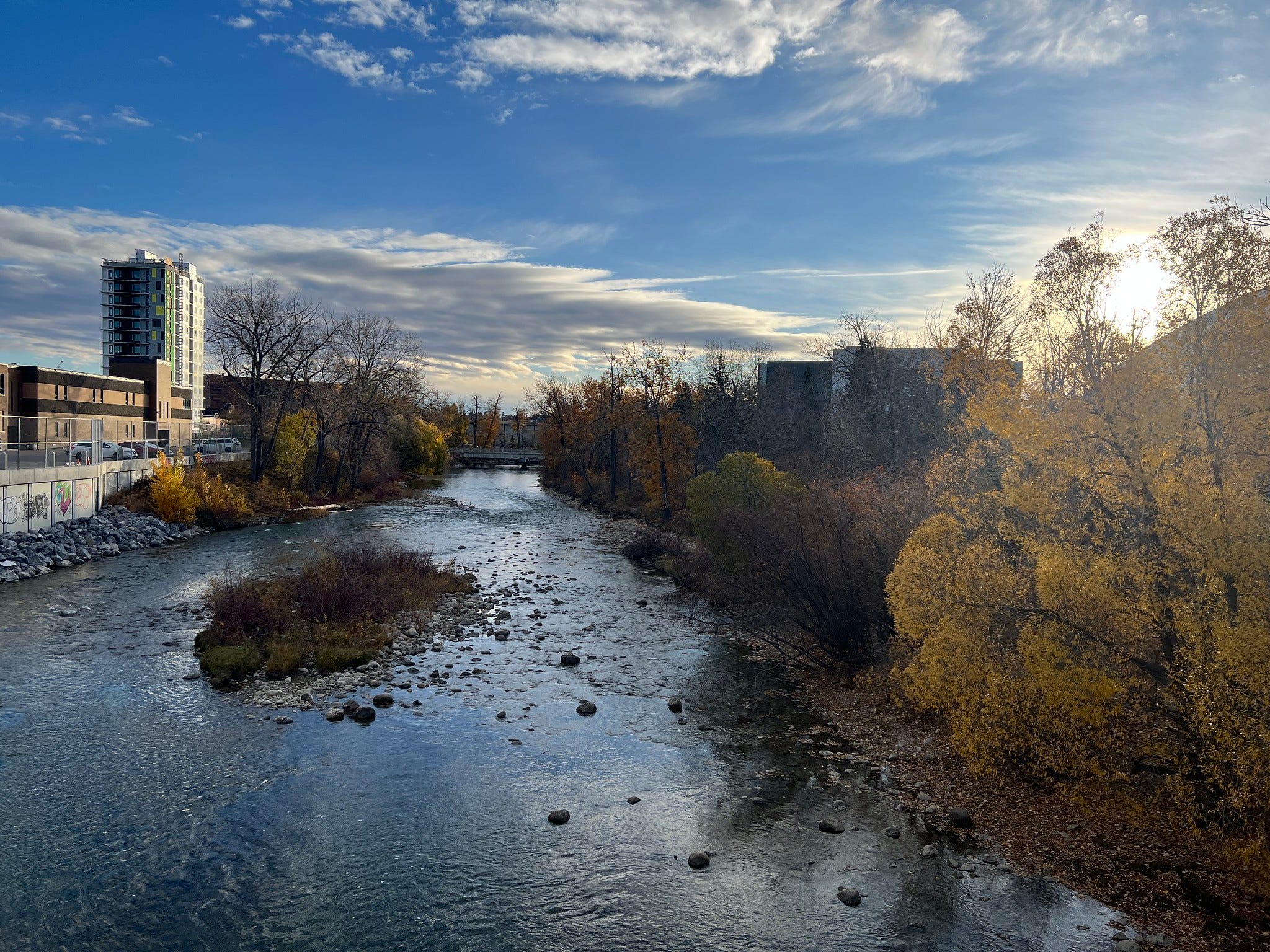
Via this Narwhal article, “Alberta let an oil and gas company ‘in survival mode’ take over 170 wells. Now it’s not paying its bills.”
Previous reporting by The Narwhal showed the government doled out almost $150 million to cover leases from oil and gas companies in the province between 2010 and 2024. The government only recovered $1.4 million from oil and gas companies in that same time — less than one per cent.
In 2024, the government paid $30 million to cover the lease obligations of private companies, a 4,500 per cent increase since 2010.
Data obtained via a freedom of information request shows just $167,000 — less than half a per cent of the total paid out in 2024 — was recovered from the companies that missed payments.
If you’re a private corporation or an extremely wealthy individual, you’ve got it made. You can bury and hide everything in shell corporations and trusts and offshore accounts, and above all, you will be okay. These kinds of headlines seem to be more and more prevalent, always paired with some new or changing horrible violence in the world, the nastiest cheese and wine pairing ever. It’s no wonder so many of us avoid the news.
So, to keep my sanity these days, I unconsciously fixate on my skunk neighbor, the magpies outside my window, the raven in the park. On my way to the gym, I watch Northern flickers capably clamber on tree trunks and flit to branches. I’ll keep my eye out for the camouflaged hare, with its permanent look of surprise. All of these neighbors of mine do what they need to, and keep moving. They model that adage about planning for the bad and hoping for the good, and their living example helps enormously, even if it seems like the bad is creeping into every crevice, like chlorine gas in a trench.
I leave you all with this wonderful song from Loudon Wainright III that I find myself singing at top volume whenever I am driving back to Montana.
Much of my skunk knowledge is retained from a heady, whirlwind time when I was convinced that a skunk would make a marvelous pet. Upon doing even a bit of research, I sadly discovered they are the opposite, with a love of clawing and burrowing, bad eyesight, and a lack of vets who can care well for them.
Actually tracking homelessness is extremely difficult, so this number could be higher depending on how you define “homeless”.
May I remind you of the absolute twat I went to graduate school with, an extremely wealthy man who used his posh Leica to photograph homeless people without their permission.